Cart
0
If you buy cones in bulk — as a licensed producer, a distributor, or a brand launching its own pre-roll line — the word "cone" hides a surprising number of decisions. Paper stock, size, tip style, and construction quality all affect burn rate, taste, cost per unit, machine compatibility, and how the finished pre-roll looks on a dispensary shelf.
This guide breaks down every major type of pre-rolled cone, explains where each one fits commercially, and shows the standard sizes and fill weights buyers should know before placing a bulk order.
The Five Core Paper Types
Almost every cone on the market falls into one of five paper categories. The paper is the single biggest driver of taste, burn behavior, and shelf positioning.
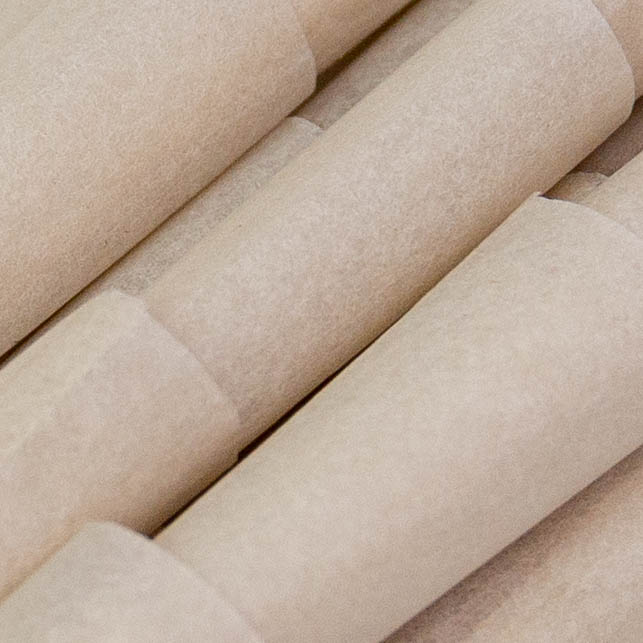
1. Refined White Cones
Refined white paper is the industry default. The wood pulp is processed to remove lignin and natural color, producing a bright white, ultra-clean paper with a neutral taste that lets the flower speak for itself. White cones burn evenly and consistently, which matters when a production run of thousands of pre-rolls needs to perform identically.
A common misconception is that white paper is "bleached with harsh chemicals." Quality refined paper is purified through modern pulping processes, and reputable manufacturers can back that up — ConesWorld provides MSDS and lab documentation on request. Browse refined white options in our pre-rolled cones collection.
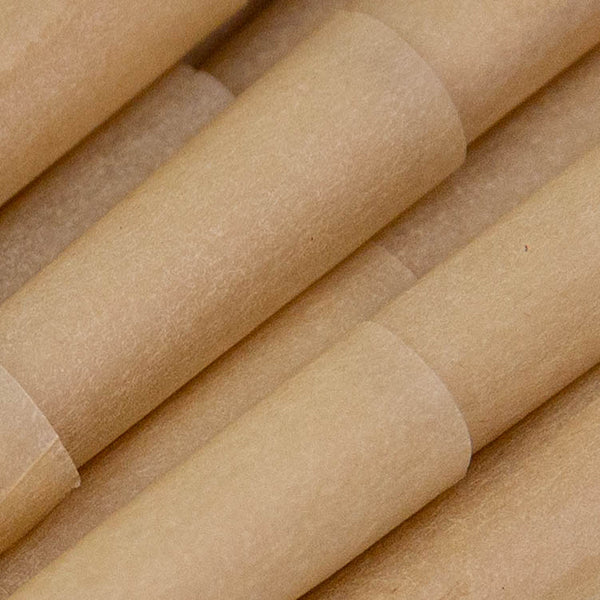
2. Unrefined Brown (Natural) Cones
Unrefined brown paper skips the refining stage, keeping more of the plant fiber's natural color and character. The result is a light tan-to-brown cone with a subtle, slightly earthy note and a rustic, craft look.
Commercially, natural cones are the go-to for brands positioned around minimal processing. If your packaging says "natural" or "craft," a brown cone reinforces that story the moment the customer opens the tube.
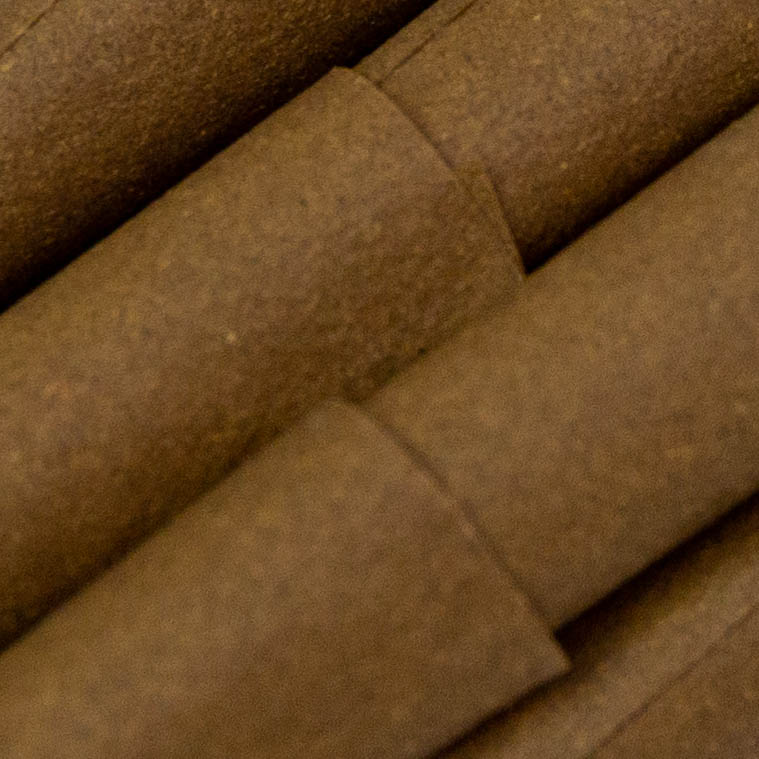
3. Organic Hemp Cones
Hemp cones are made from hemp fiber rather than wood pulp. They typically run light brown, burn slightly slower than refined white paper, and carry a mild, sweet-earthy flavor that many consumers associate with a premium smoke.
Hemp is also the strongest sustainability play in the category — a fast-growing, low-input crop that pairs naturally with eco-forward brand positioning. Sourcing and compliance documentation for our paper stocks is available to B2B partners on request.
4. Colored and Designer Cones
Colored cones — pink, blue, black, gold, and custom shades — are a branding tool more than a functional category. Produced with food-grade colorants, they let a pre-roll stand out in a crowded dispensary case and give white-label brands a signature look without changing the underlying paper performance.
Colored stock, custom sizes, and printed branding all come together in a white-label program. See how it works on our Build Your Own Brand page.
5. Blunt Wrap Cones
Blunt cones use a thicker hemp wrap instead of thin rolling paper. The heavier wrap burns noticeably slower, delivers a fuller flavor, and supports a higher retail price point — which is why blunts have become one of the strongest-margin formats in pre-rolls.
Because the wrap is thicker and less forgiving, construction quality matters even more here than with paper cones. Explore our pre-rolled blunt cones for machine-ready blunt formats.
What "French Paper" Actually Means
You'll see "French paper" used loosely across the industry, sometimes as if it were a separate cone type. It isn't — it's a quality and sourcing descriptor. France has a long papermaking heritage, and French-style rolling paper is known for being ultra-thin and lightweight, which translates into a tighter, more even burn with less ash and less paper taste.
For a buyer, the takeaway is simple: ask about the paper's origin, weight, and burn characteristics rather than the label alone. A thin, well-made paper — whatever its origin — is what produces the slow, even burn consumers judge a pre-roll by.
Standard Cone Sizes and Fill Weights
Size determines your fill weight, your cost per unit of flower, and which SKU tier the finished pre-roll sells into. These are the four sizes that cover the large majority of the market:
| Size | Length | Typical Fill Weight | Common Use |
|---|---|---|---|
| Dogwalker | 70mm | ~0.3g | Minis, multi-packs, low-dose SKUs |
| 1-1/4 | 84mm | 0.5–0.75g | The industry-standard single pre-roll |
| 98 Special | 98mm | 0.75–1g | Full-size singles, value positioning |
| King Size | 109mm | 1–1.3g | Premium singles, sharing formats |
Actual fill weight varies with grind consistency and packing density, so run test fills on your own equipment before locking in packaging claims. All sizes above are available across our cone collection in refined white, natural brown, and hemp stocks.
Tip Types: Paper, Spiral, Wood, and Glass
The tip (or filter) is the second axis of the cone taxonomy. It affects draw, mouthfeel, and — increasingly — how premium the product reads at retail.
Paper Tips
The standard folded paper tip is built into most cones. It keeps plant material out of the mouth, gives the pre-roll structure at the base, and adds essentially nothing to unit cost. For high-volume, everyday SKUs, a well-constructed paper tip is all you need.
Spiral Tips
A spiral (coil-wound) paper tip creates an open channel through the filter, producing a smoother, less restricted draw than a flat-folded tip. It's a low-cost upgrade that consumers notice, and a popular spec for mid-tier and premium paper cones.
Wooden Tips
Wooden-tip cones and tubes replace the paper filter with a turned wood mouthpiece. The wood cools the smoke slightly, keeps the tip dry through the full session, and gives the pre-roll a distinctly premium, cigar-like presentation. See our wooden tip cones and tubes.
Glass Tips
Glass tips sit at the top of the category. A glass mouthpiece delivers the cleanest possible draw with zero paper or wood taste, stays cool, and is the clearest visual signal of a luxury pre-roll. Glass-tip formats command the highest retail prices in the segment. Explore our glass tip cones and tubes.
Cones vs. Pre-Rolled Tubes
One last distinction that trips up new buyers: a cone tapers from a wide bowl to the tip, while a pre-rolled tube is a straight cylinder with a uniform diameter. Tubes fill differently, pack differently, and produce a cigarette-style format that some brands prefer for consistency and automation. If your line runs a straight format, see our pre-rolled tubes collection.
Choosing the Right Cone for Your Production Line
For B2B buyers, the paper and tip decision has to be made alongside three operational questions:
Machine compatibility. Cones must match your filling equipment. ConesWorld cones are produced to run on Futurola, STM, and King Kone systems — confirm your machine model when you request a quote.
Order size and lead time. Stock cones start at 50,000 units with 7–15 business day lead times; custom-branded runs start at 100,000–250,000 units with 15–30 business day lead times.
Compliance documentation. COAs, MSDS sheets, and certification documentation (including FSC paper sourcing, GMP, and ISO 9001:2015) are available to qualified partners on request.
Source Your Cones Directly From the Manufacturer
ConesWorld manufactures pre-rolled cones, tubes, and blunt wraps at scale for licensed producers, distributors, and white-label brands. Get factory-direct pricing, machine-compatible specs, and samples before you commit to a bulk run.
Apply for a B2B partnership or build your own brand with custom cones. Questions? Call +1 (725) 277-0408 or email business@conesworld.com.